

——
gemba design system
komatsu

CLIENT
Komatsu
SERVICES
UX Research & Responsive Design
TECHNOLOGIES
Figma / Aha! / Teams
METHODOLOGIES
Stakeholder Interviews
Research Synthesis
Wireframing
Prototyping
User Testing
About the Project
The Gemba Design System modernized a disjointed product ecosystem and built a scalable foundation for future growth.
As product lines diversified, the organization encountered mounting inconsistency across applications, redundant design and engineering efforts, and a diluted brand identity. To resolve this, I directed a cross-functional team of designers and engineers to architect and implement a unified design system attuned to modern UX and accessibility standards.
The system introduced a centralized structure for design tokens, components, and usage guidelines—enabling consistency across platforms while accommodating the specific needs of embedded and office applications. As a direct result, the team reduced design and engineering duplication by 30%, improved delivery times by 20%, and established a clear shared language between design and development.
The result is a scalable design foundation that powers a connected ecosystem of products. It drives faster release cycles, boosts user satisfaction scores, and slashes maintenance overhead, accelerating the organization’s ability to deliver high-quality user experiences.
Challenge
The organization was transitioning from standalone applications to an interconnected product ecosystem. However, the existing design system and UI patterns were not equipped to support this shift.
Key challenges included:
Inconsistent user experiences across products
Redundant design and engineering efforts
Lack of a shared design language between teams
Limited scalability for future product expansion
This created both a usability issue for end users and an operational inefficiency for internal teams.
My role
As the UX Design Lead, I set the vision, aligned stakeholders, and led execution. I worked closely with designers, engineers, and product teams to ensure the system met user and business needs.
The team and I identified specific areas of improvement through multiple discussions and interviews with the ADA team. The search feature needed improvements and enhancements to deliver more accurate and relevant results. The navigation system needed to be more precise and robust, enabling users to locate information quickly and effortlessly—additionally, the design demanded an efficient and intuitive experience. The aim was to provide users, often with limited time to browse the site seamlessly.
From a business standpoint, the objectives for the revamped website included increasing memberships, encouraging event sign-ups, and fostering engagement within the community forums, among other goals. Meeting these objectives required a comprehensive understanding of the target audience's needs and aligning the design accordingly.
Furthermore, a notable constraint in this project was the requirement to design components that would be utilized across the Professional Website and two other sites associated with the ADA. This requirement necessitated creating adaptable components that could seamlessly integrate with all three websites, presenting a considerable technical challenge.
STRATEGY
To ensure the initiative delivered meaningful value, I next led the team through a structured discovery phase focused on defining:
The business value of the design system
Opportunities to reduce time and cost through standardization
Clear deliverables and expected outcomes
Scope boundaries and success criteria
These conversations with key stakeholders helped align expectations early and ensured the project was positioned as a strategic investment—not just a design exercise.
EXECUTION
I facilitated a project kickoff to align cross-functional teams around a shared vision. The session focused on:
Establishing a unified understanding of goals and scope
Clarifying roles and responsibilities
Creating alignment between design, engineering, and product
This ensured the team started with clarity and reduced the risk of misalignment later in the project.
Following alignment, I led the development of a comprehensive execution plan that defined the core pillars of the design system:
Foundation
Design principles
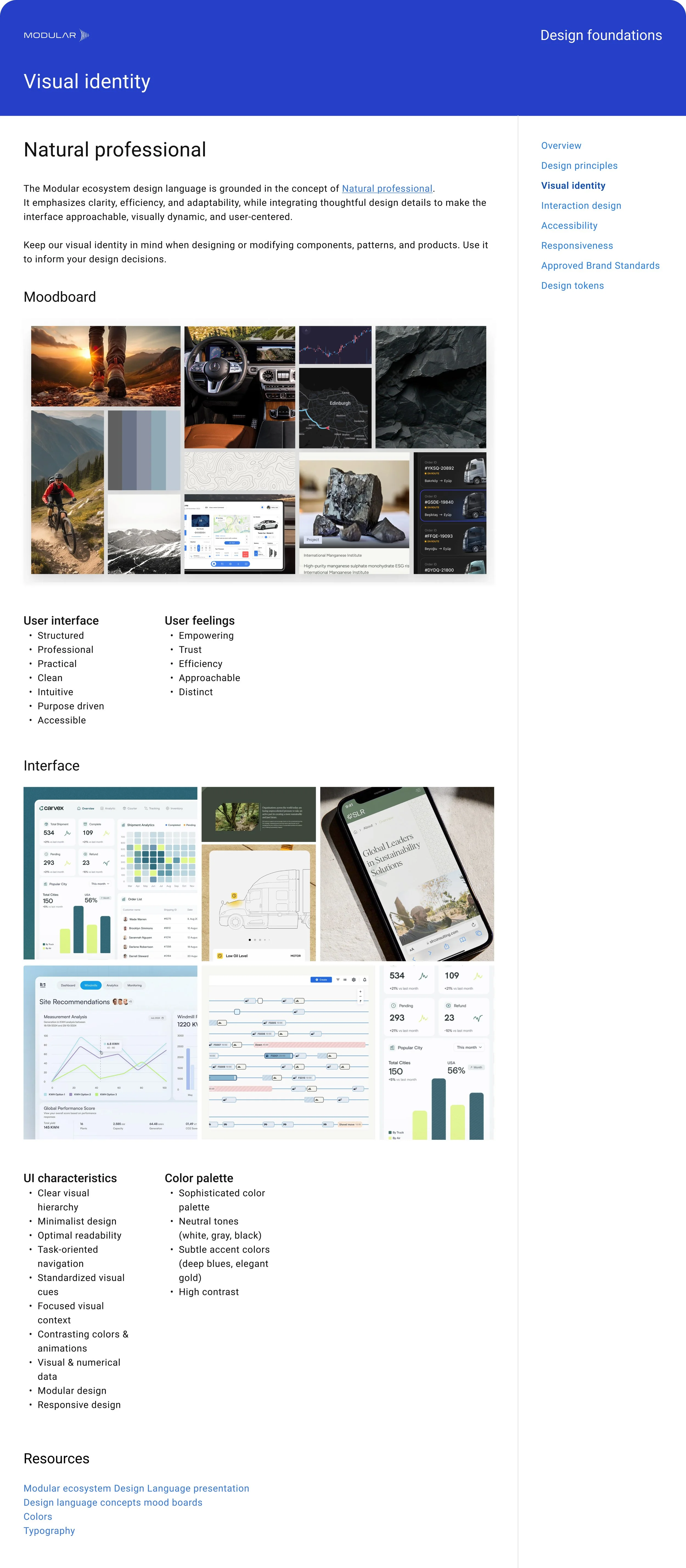
Visual identity
Accessibility standards
System Infrastructure
Design tokens and theming
Responsiveness across platforms
Content and UX writing guidelines
Component Library
Scalable, reusable UI components
Documentation for usage and implementation
This structured approach allowed the team to build the system in layers, ensuring consistency and scalability from the ground up.
